repository of the ancient and medieval organ

Books

 results
Category
Material
Technique
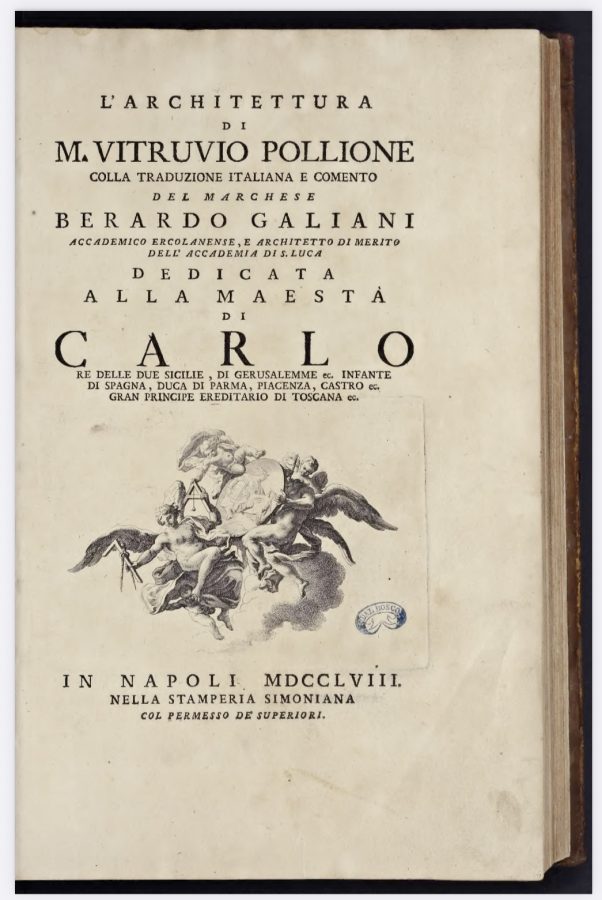
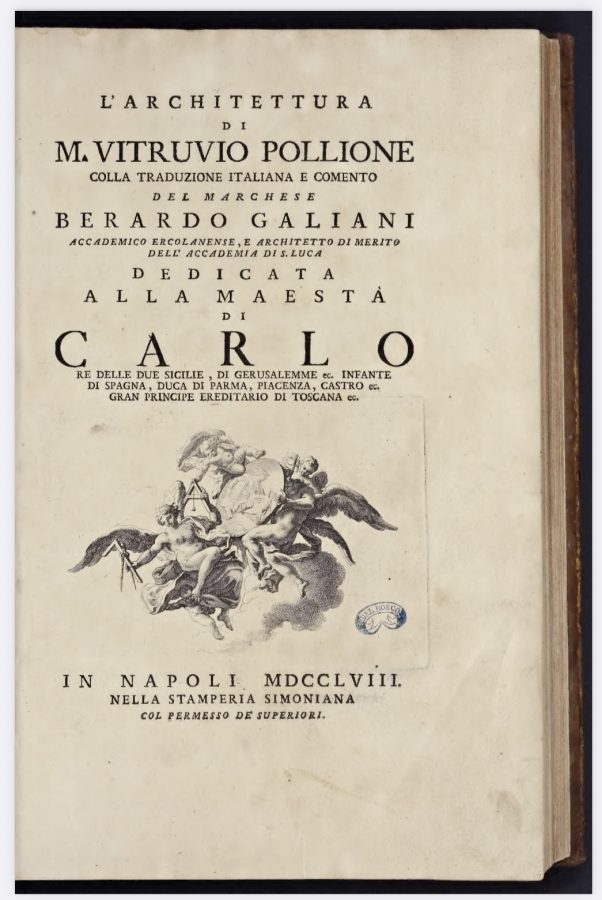
De Architectura — Marcus Vitruvius Pollio
Date:between 27 and 23 BC

De Architectura — Marcus Vitruvius Pollio

The following passages, taken from Books IX and X of Vitruvius, describe several inventions attributed to Ctesibius of Alexandria, including hydraulic pumps, pneumatic devices, and the water organ. The text illustrates the operating principles based on air compression and hydraulic flow regulation, dwelling in particular on the mechanical structure of the hydraulis: cylinders, valves, air ducts, keys, and sounding pipes. The technical terminology reflects the ancient mechanical tradition and modern translations of the treatise.

Graphics and Drawing on Paper
De architectura, Book X by Vitruvius
Date:between 27 and 23 BC

De architectura, Book X by Vitruvius

In these passages Vitruvius describes the inventions of Ctesibius of Alexandria, a Hellenistic engineer and inventor regarded as the father of ancient pneumatics. After recounting the origins of his first observations on compressed air, the text illustrates several hydraulic and pneumatic machines, leading up to the description of the water organ, an instrument in which regulated air pressure fed the sounding pipes.

Graphics and Drawing on Paper

Pneumatica, Book I — Hero of Alexandria
Date:approx. 1st century BC

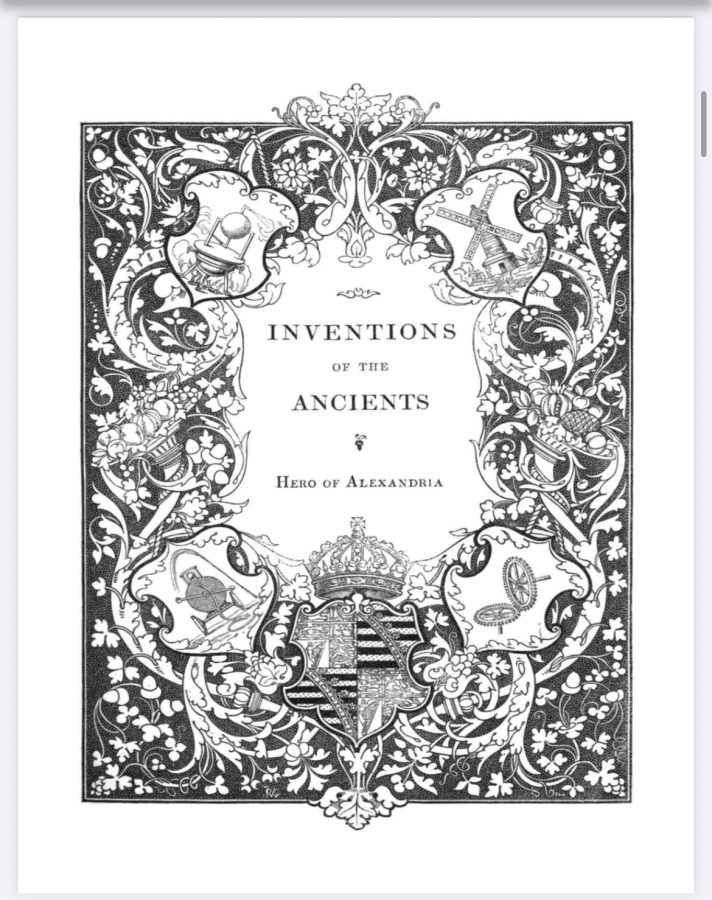
Pneumatica, Book I — Hero of Alexandria

In these passages from the Pneumatica, Hero of Alexandria describes two different pneumatic organs: an altar organ operated manually and a second instrument driven by wind power through a mechanism similar to a windmill. The text details the systems for compressing and distributing air, focusing on pistons, valves, hydraulic reservoirs, ducts and devices for opening the sounding pipes. Of particular interest is the description of the pipe-control mechanisms, in which primitive forms of keyboard and automatic air-supply systems applied to musical production can be recognised.

Graphics and Drawing on Paper

De Mensura Fistularum in Organis — Anonymous
Date:9th century

De Mensura Fistularum in Organis — Anonymous

These texts in the anonymous treatise De Mensura Fistularum in Organis describe the mathematical and proportional criteria used in the construction of medieval organ pipes. The passages illustrate the ratios between length, diameter and musical intervals, dwelling on the procedures for calculating consonances, the arrangement of ranks, and the methods for measuring pipes in relation to the theoretical systems of medieval music. Some sections also include directions for the construction of cymbals and the organistrum, within the framework of medieval organological and craft practices.

Graphics and Drawing on Paper

Tractatus de mensura fistularum — Eberhard of Freising
Date:11th century

Tractatus de mensura fistularum — Eberhard of Freising

These introductory texts to the treatise De mensura fistularum in organis, attributed to Eberhard of Freising and transmitted in several medieval manuscripts, illustrate the theoretical and practical principles used in the measurement of organ pipes. The passages describe the ratios between length, diameter and musical consonances, presenting different methods for calculating pipes, the organisation of organ ranks and courses, and directions for the casting of nolae, that is, small organ bells.

Graphics and Drawing on Paper

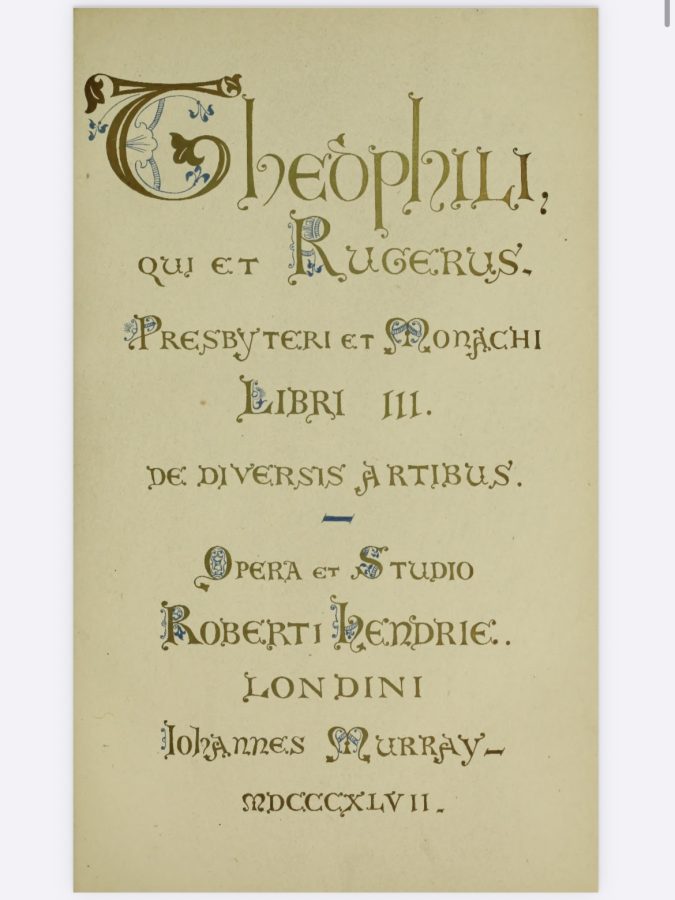
De Diversis Artibus — Theophilus
Date:first half of the 11th century

De Diversis Artibus — Theophilus

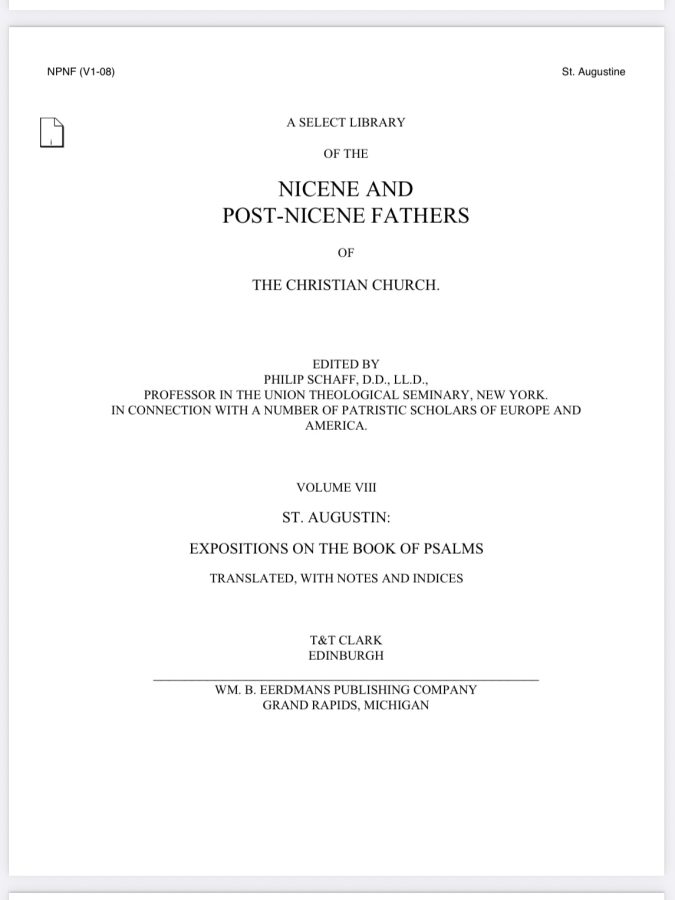
These chapters of the De diversis artibus by Theophilus describe the construction of a medieval organ, focusing both on the fabrication of pipes and on the making of the wind chest, sliders and bellows. The text documents with remarkable precision the craft techniques employed in working copper, in soldering and in assembling the various parts of the instrument. Of particular relevance are the directions concerning the ventilation of the organ, the air-supply systems and the arrangement of the sliders, which show a fully developed organbuilding […]

Graphics and Drawing on Paper

Musica, Book III — Ioannes Cotton
Date:11th–12th century

Musica, Book III — Ioannes Cotton

These passages from the De musica of Ioannes Cotton deal with the nature of musical sound, the classification of instruments and the role of music in medieval theoretical and ecclesiastical tradition. The text distinguishes between natural and artificial instruments, mentions organs, cymbals and stringed instruments within the framework of music theory, and also introduces the concept of diaphony or organum, linking it to medieval polyphonic practice and the terminology of the organ.

Graphics and Drawing on Paper

End of results

No results found

organarium

repository of the ancient and medieval organ

Retracing music and arts networks
enhancing education and
promoting cultural heritage preservation

Contact

Project e-mail
jerus-it-arts@fadbrera.edu.it.it

Marco Negroni
Brera Academy of Fine Arts
marconegroni@fadbrera.edu.it

Repository gitHub

Partners

CC 2026 Organarium / CUP project n. E33C24000160006